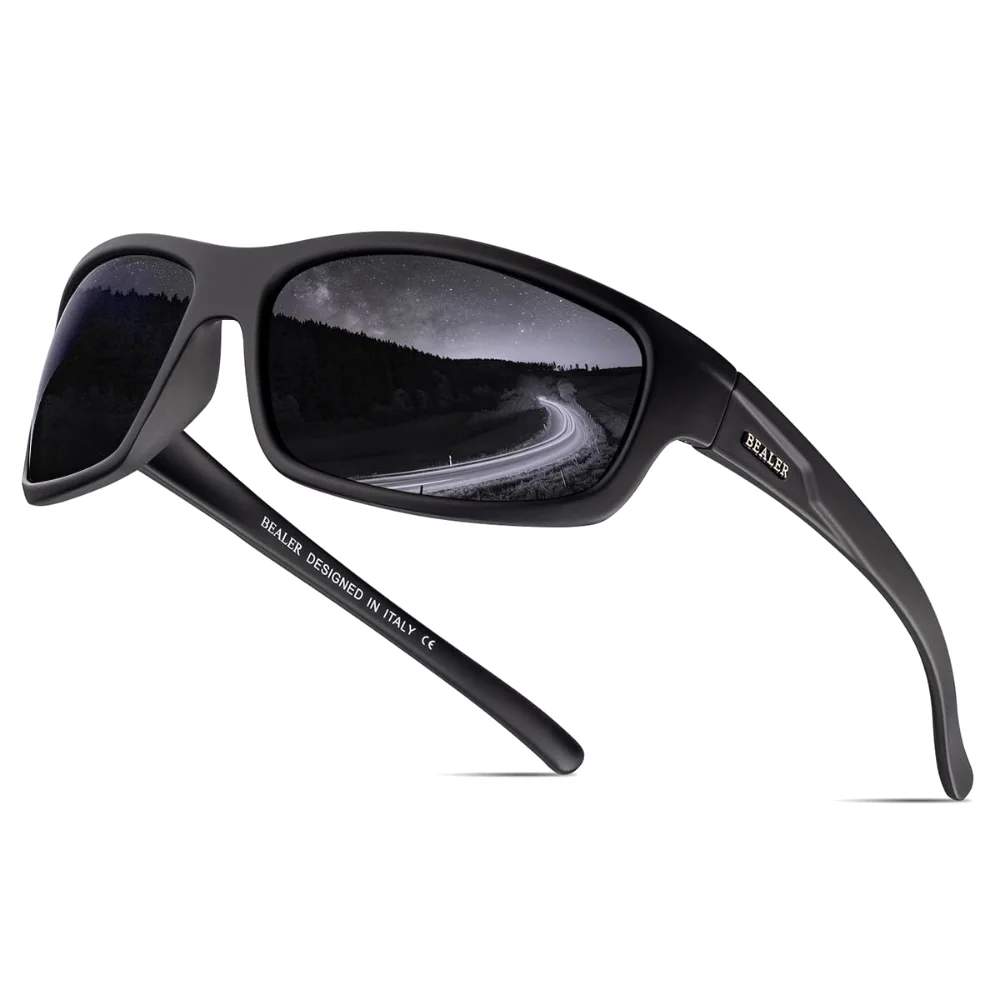
Sport wrap singles
BEALER Sport Wrap BL6608, Matte Black / Grey
- Lens 62 x 37 mm, frame 137 mm
- TR90 nylon, polarized TAC lens, UV400
- Matte Black frame, grey lens
4.5 · 1,226 ratings
$11.99
01The whole sunglass range on one page · 32 cards
Every polarized, UV400-rated pair BEALER makes, across the men's wrap, the women's rectangle and the children's frame, laid out by frame width and lens colour.
All 12 on the men's sport wraps shelfAll 9 on the kids' flex frames shelfAll 11 on the women's rectangles shelf
The word polarized covers one property and the word UV400 covers another, and the reason this page exists is that the two get sold as one. The film in a polarized lens is a grid that stops light arriving in a single plane, which is what light does after it bounces off water, a wet road or a car bonnet; that is why the lake goes from white to wet when you put the pair on. A UV400 rating is a different promise: the lens is built to stop wavelengths up to 400 nanometres, the top of the UVA band. The academy of ophthalmology says polarization on its own provides no UV protection, so every lens on this page carries both, and the two words sit side by side on every card.
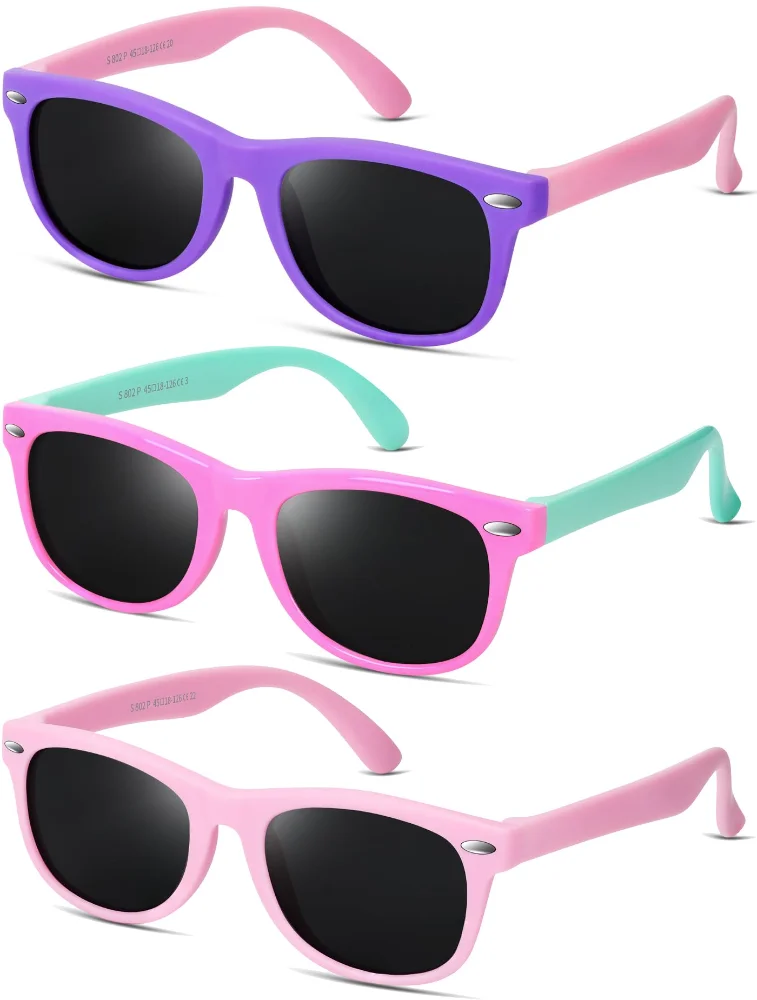
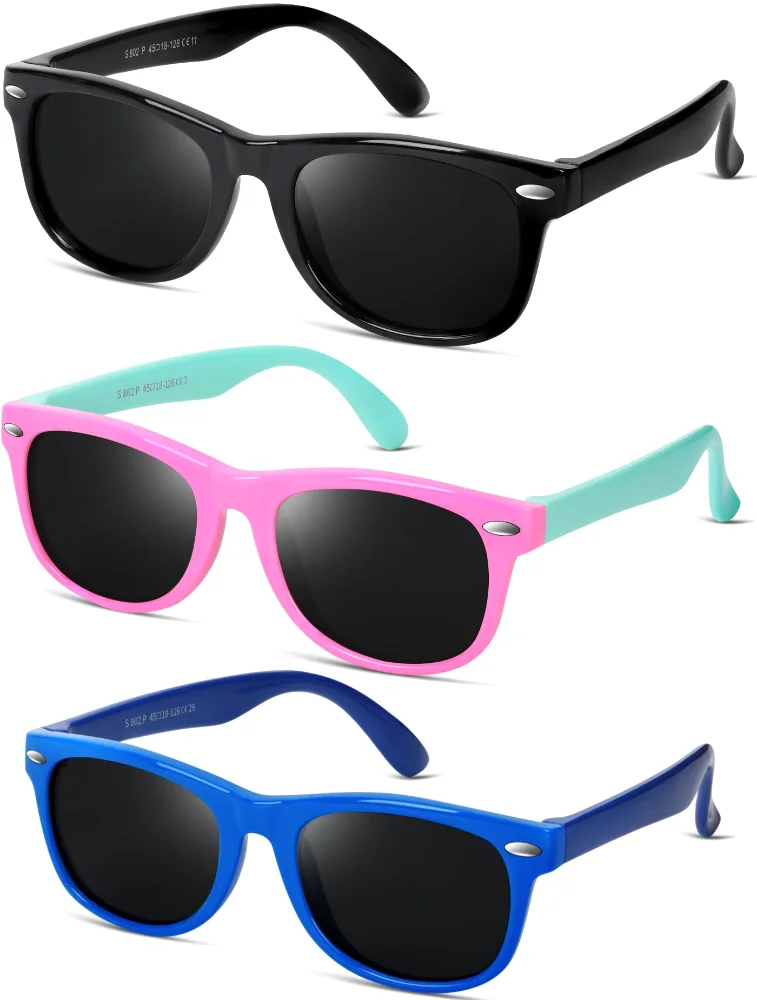
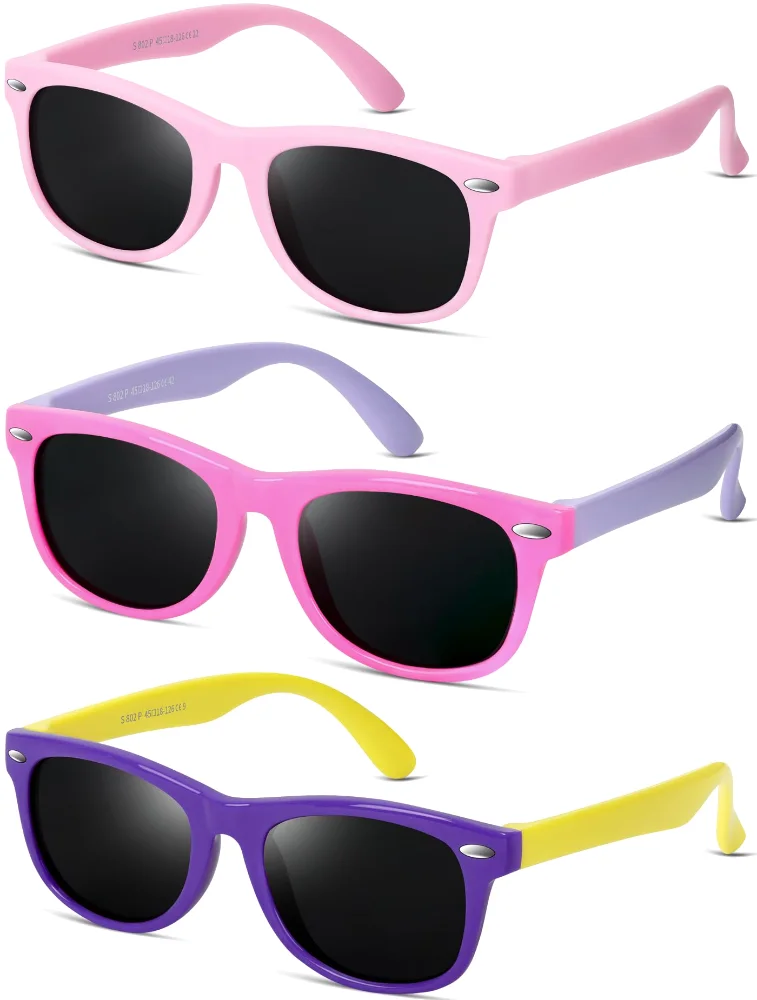
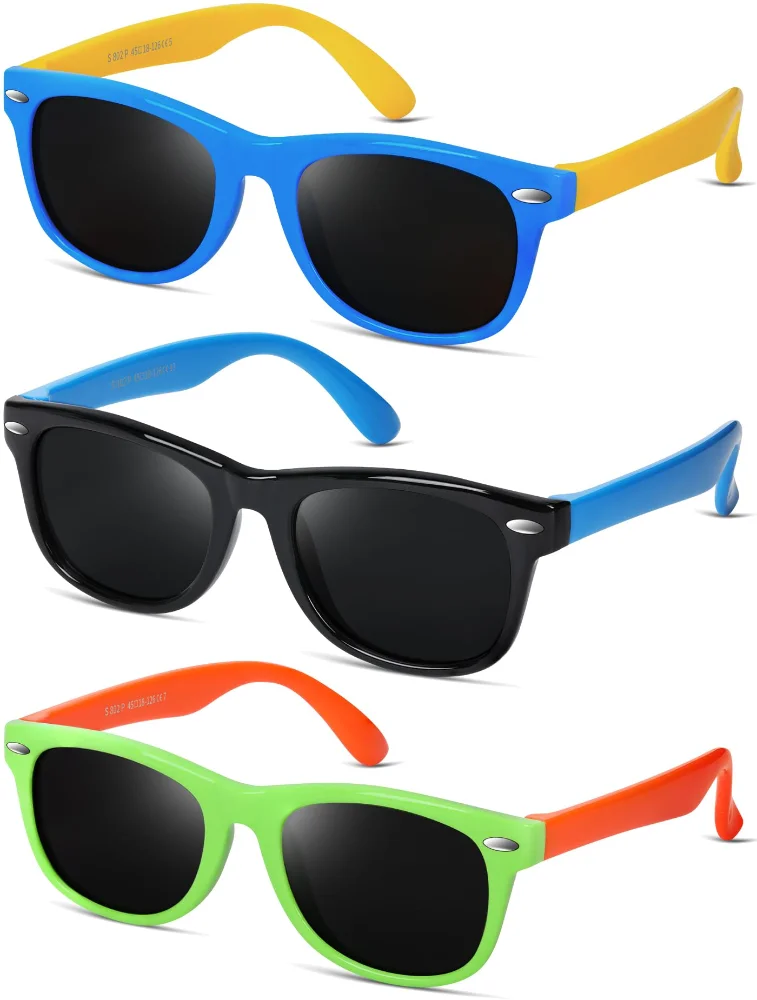
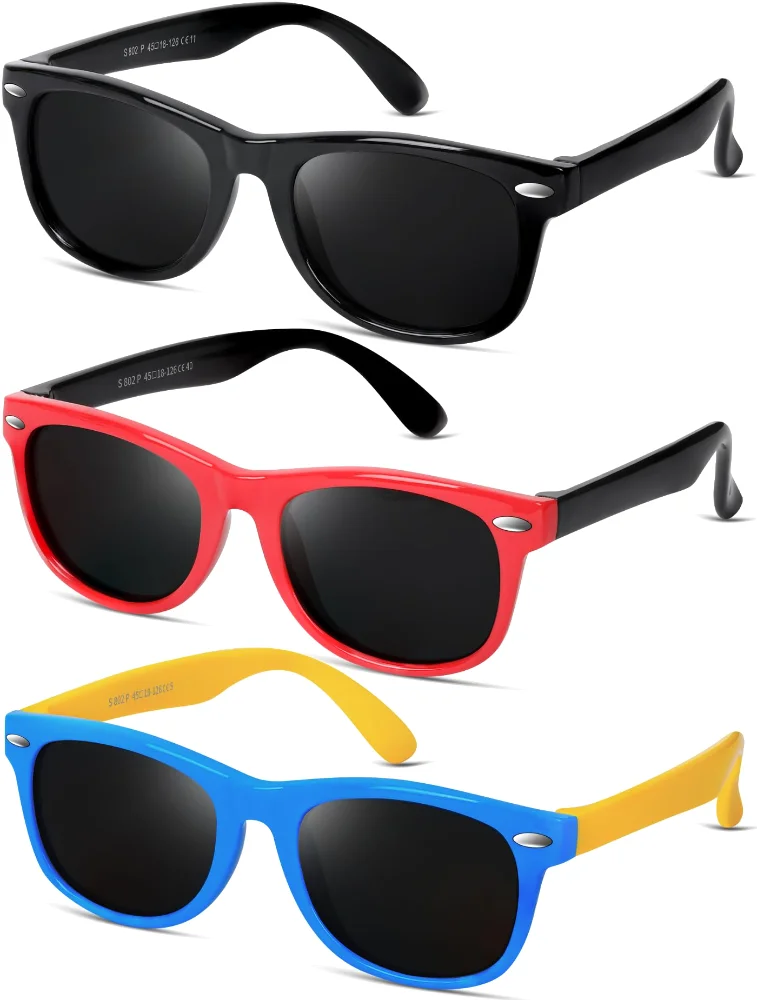
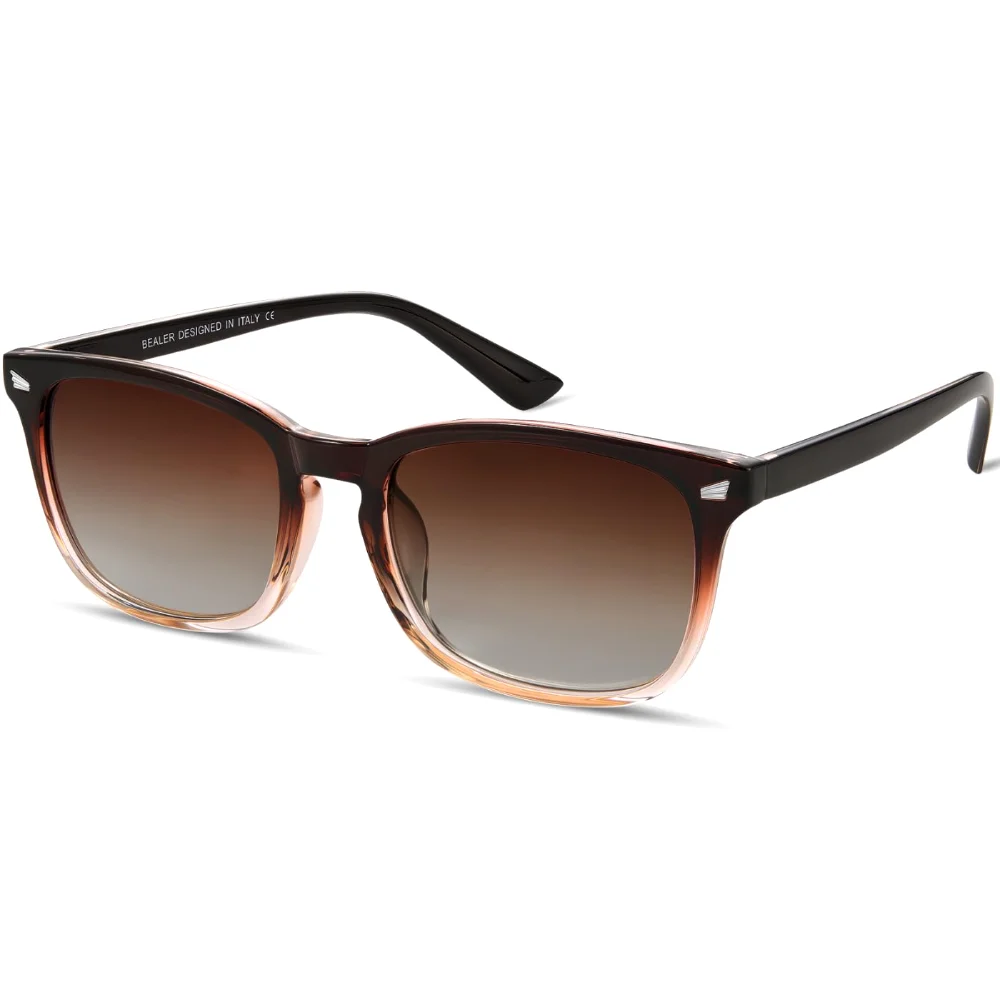
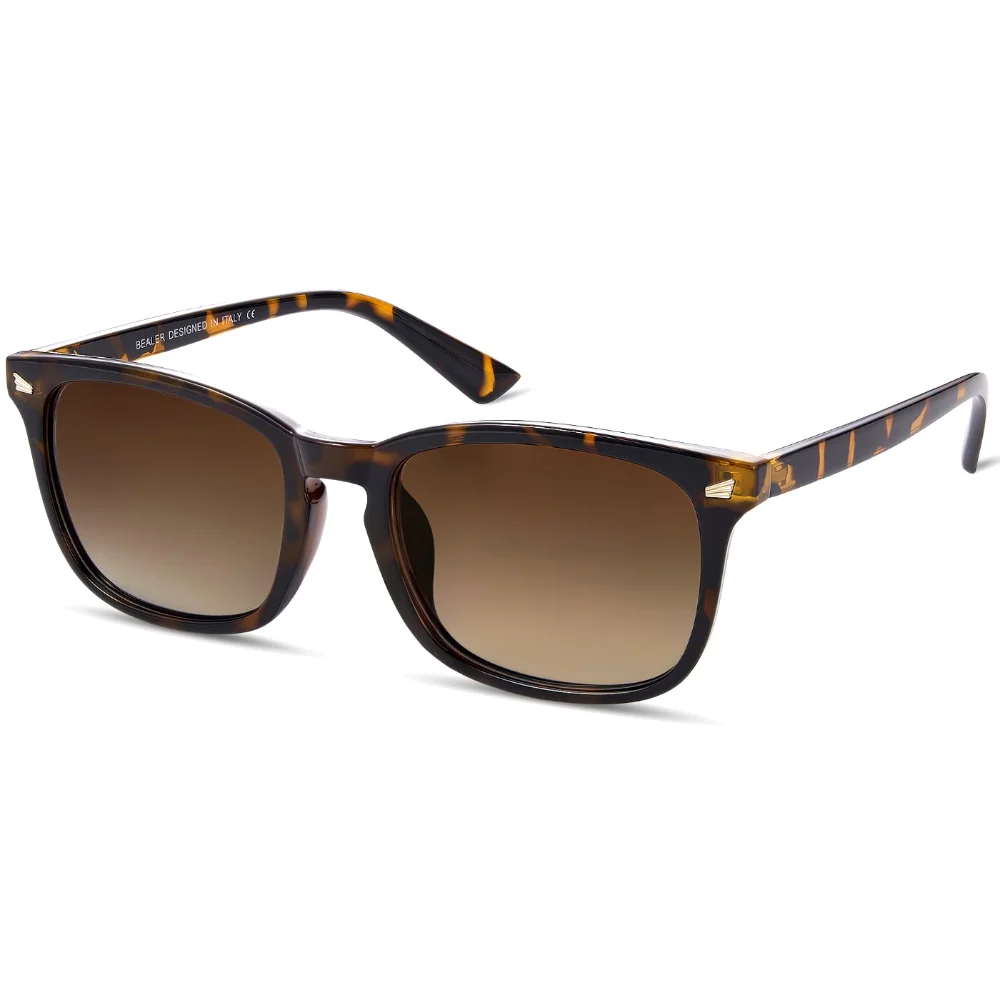
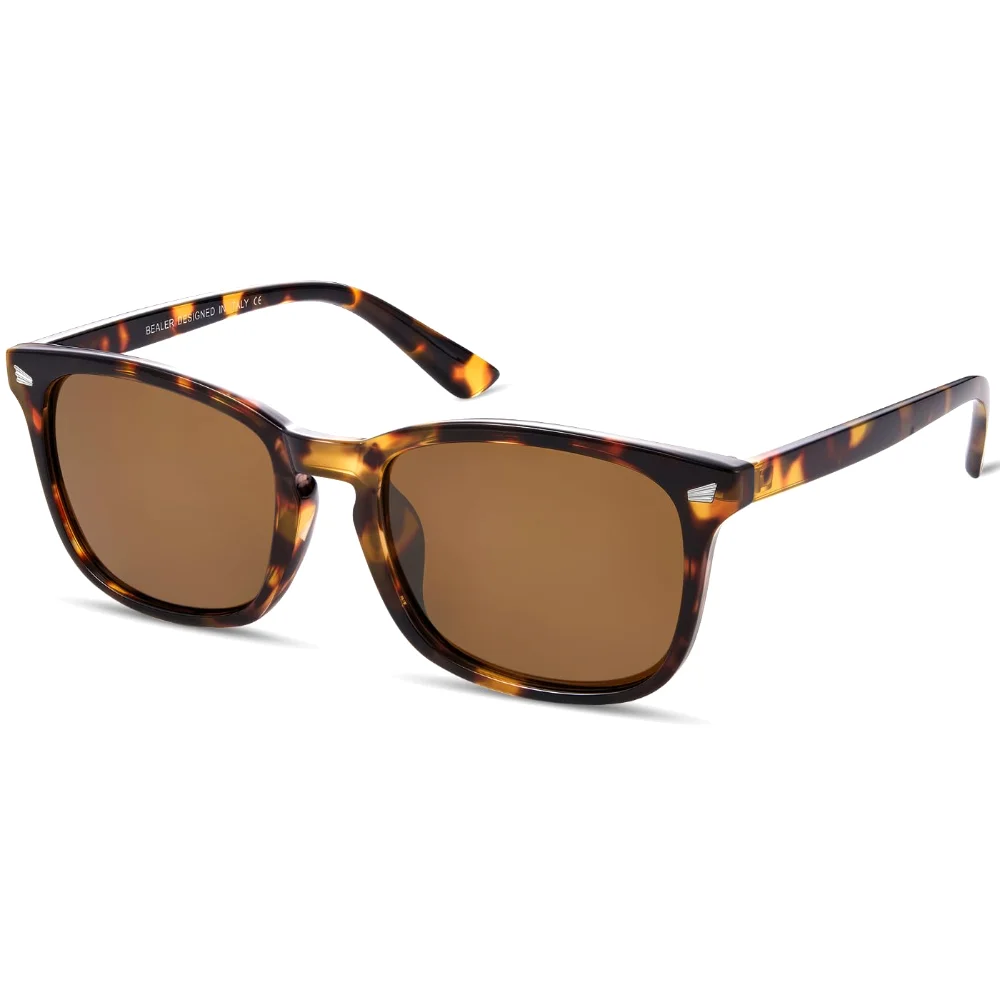
What differs from card to card is the frame around the film. The men's wrap puts a 62 by 37 mm lens in a 137 mm TR90 frame with a 123 mm arm, and the lens curves to close the bright strip at the edge of your vision. The women's rectangle is 52 by 42 mm in a 139 mm polycarbonate frame, taller in the lens so the sky stays out over the brow. The children's frame is a 45 mm lens in a soft thermoplastic that folds flat. Prices run from $9.99 for one pair to $19.99 for two of the wrap, and the packs work out at $9.99, $5.33 and as little as $3.33 a pair.
UV400 on a lens means the lens is rated to stop ultraviolet light up to a wavelength of 400 nanometres, which covers UVA and UVB, the two bands that reach the ground. That rating is the whole of what a sunglass lens does about the sun; polarization is a separate property that cuts reflected glare and, in the words of the American Academy of Ophthalmology, provides no UV protection on its own. The academy also says a darker lens is not a safer lens and that the sun's rays pass through haze and cloud, so the number to read on any pair, ours included, is the UV rating rather than the tint. A pair of sunglasses is not treatment for any eye condition, and light sensitivity that arrived suddenly is a question for an optometrist or ophthalmologist, not for a lens.
Every sentence in this note about the eye comes from a named public source. All of them, with the date we read them, are on our updates page.
Children need sunglasses for the same reason adults do and, according to the American Optometric Association, for longer: they spend more time in the sun than adults, and the harm from ultraviolet light adds up over a lifetime. The academy of ophthalmology says plainly that babies and children need hats and sunglasses. The lens in our children's frame carries a UV400 rating and a polarizing film; the frame bends because it is made of a soft thermoplastic rather than a rigid one. Bendable is not the same as unbreakable: US regulation requires the lens in every pair of sunglasses to pass a drop-ball impact test, and a pass in that test is all that impact resistant means. A pair that has been sat on or stepped on should be looked over before it goes back on a face, and a child with a red, watering or light-sensitive eye needs an eye doctor rather than a darker lens.
Every sentence in this note about the eye comes from a named public source. All of them, with the date we read them, are on our updates page.
UV400 on a lens means the lens is rated to stop ultraviolet light up to a wavelength of 400 nanometres, which covers UVA and UVB, the two bands that reach the ground. That rating is the whole of what a sunglass lens does about the sun; polarization is a separate property that cuts reflected glare and, in the words of the American Academy of Ophthalmology, provides no UV protection on its own. The academy also says a darker lens is not a safer lens and that the sun's rays pass through haze and cloud, so the number to read on any pair, ours included, is the UV rating rather than the tint. A pair of sunglasses is not treatment for any eye condition, and light sensitivity that arrived suddenly is a question for an optometrist or ophthalmologist, not for a lens.
Every sentence in this note about the eye comes from a named public source. All of them, with the date we read them, are on our updates page.
12 lens finishes, each one a link to the first card that carries it.
11 frame finishes, named from our own product data rather than from a photograph.
3 lens widths on the page; read yours off the inside of a temple you already own.
Sport wrap singles
4.5 · 1,226 ratings
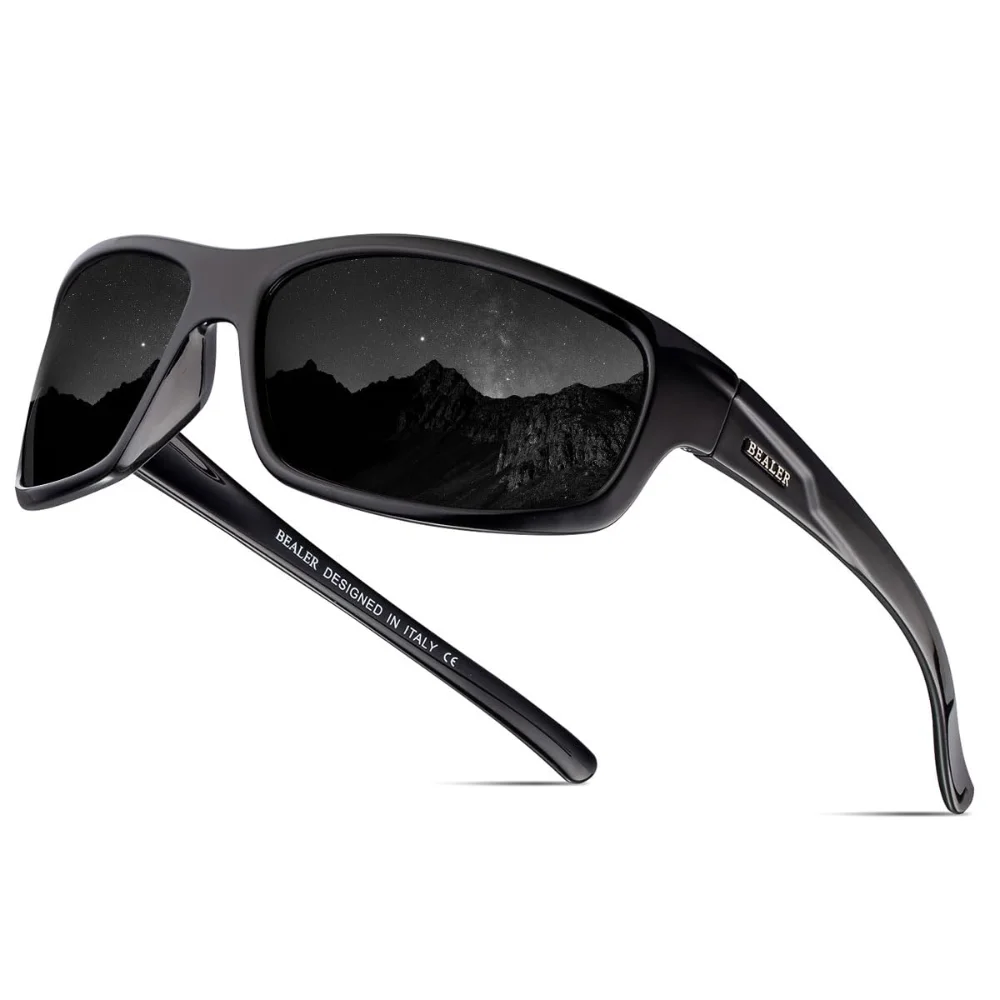
Sport wrap singles
4.5 · 1,226 ratings
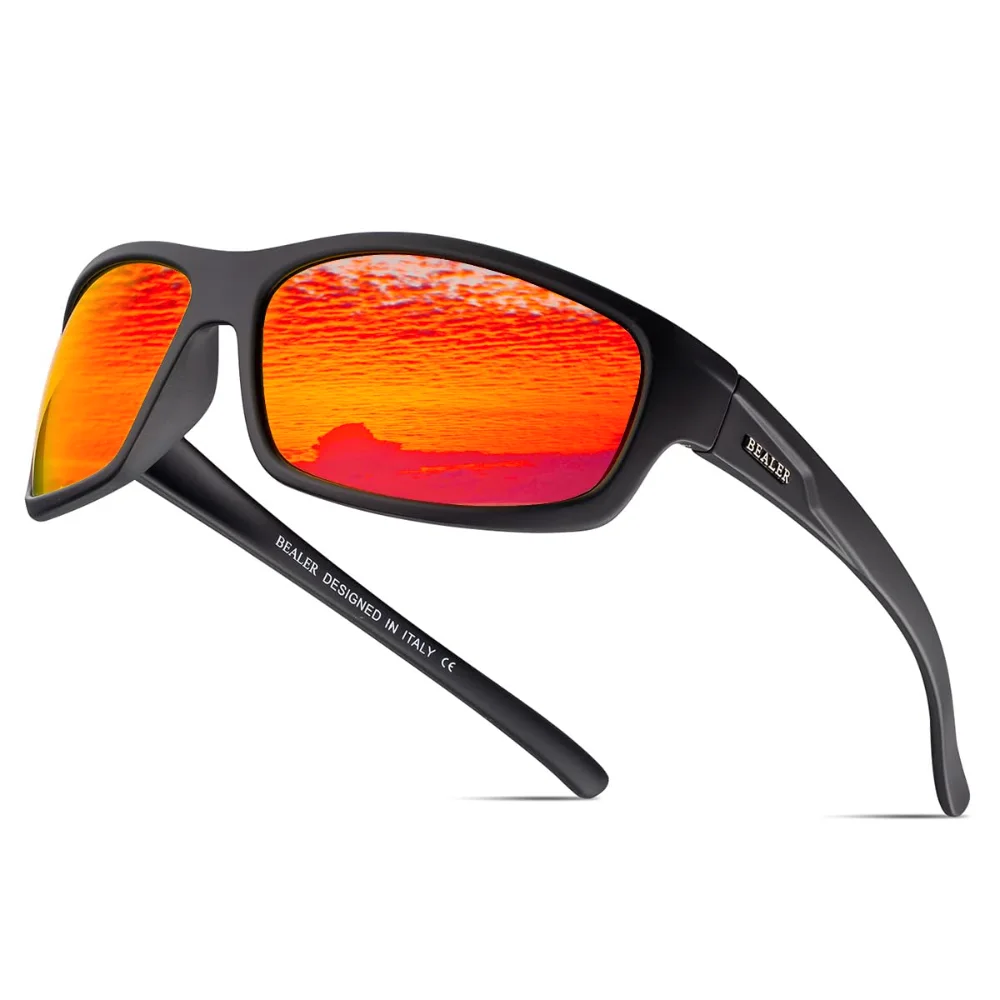
Sport wrap singles
4.5 · 1,226 ratings
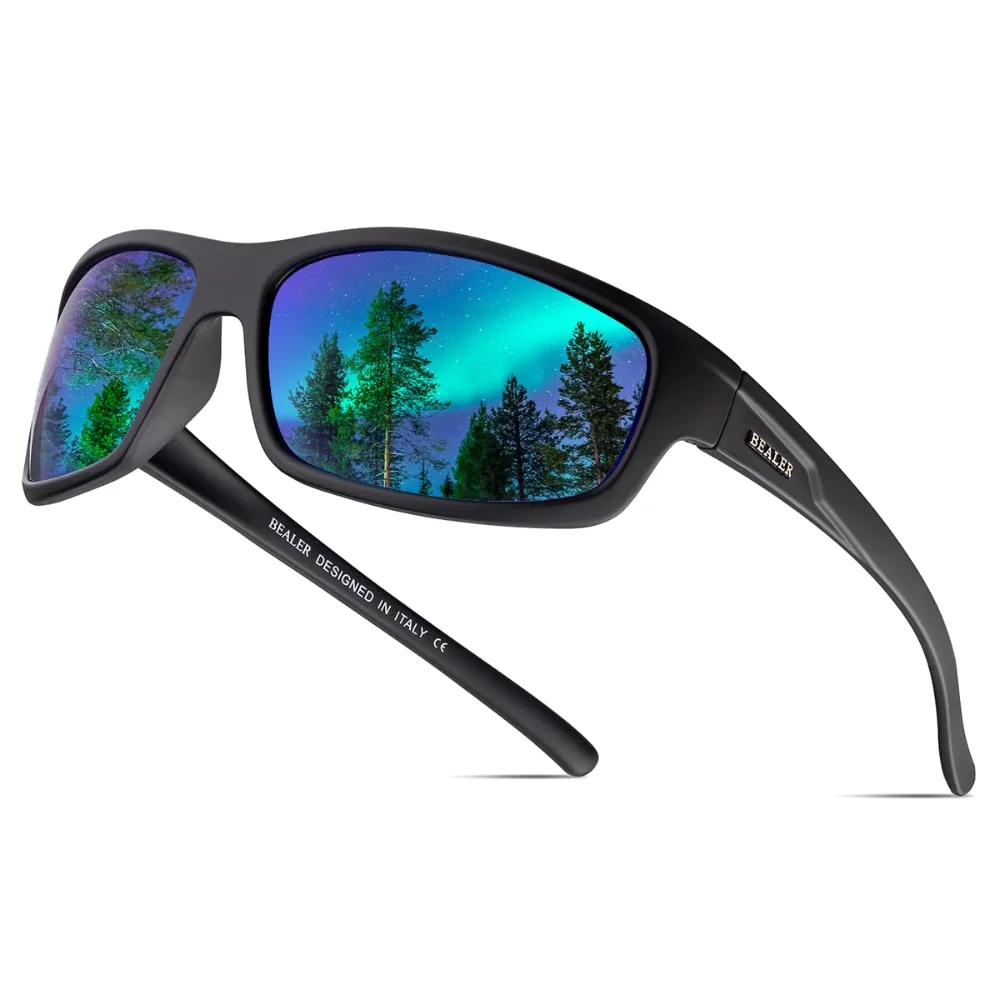
Sport wrap singles
4.5 · 1,226 ratings
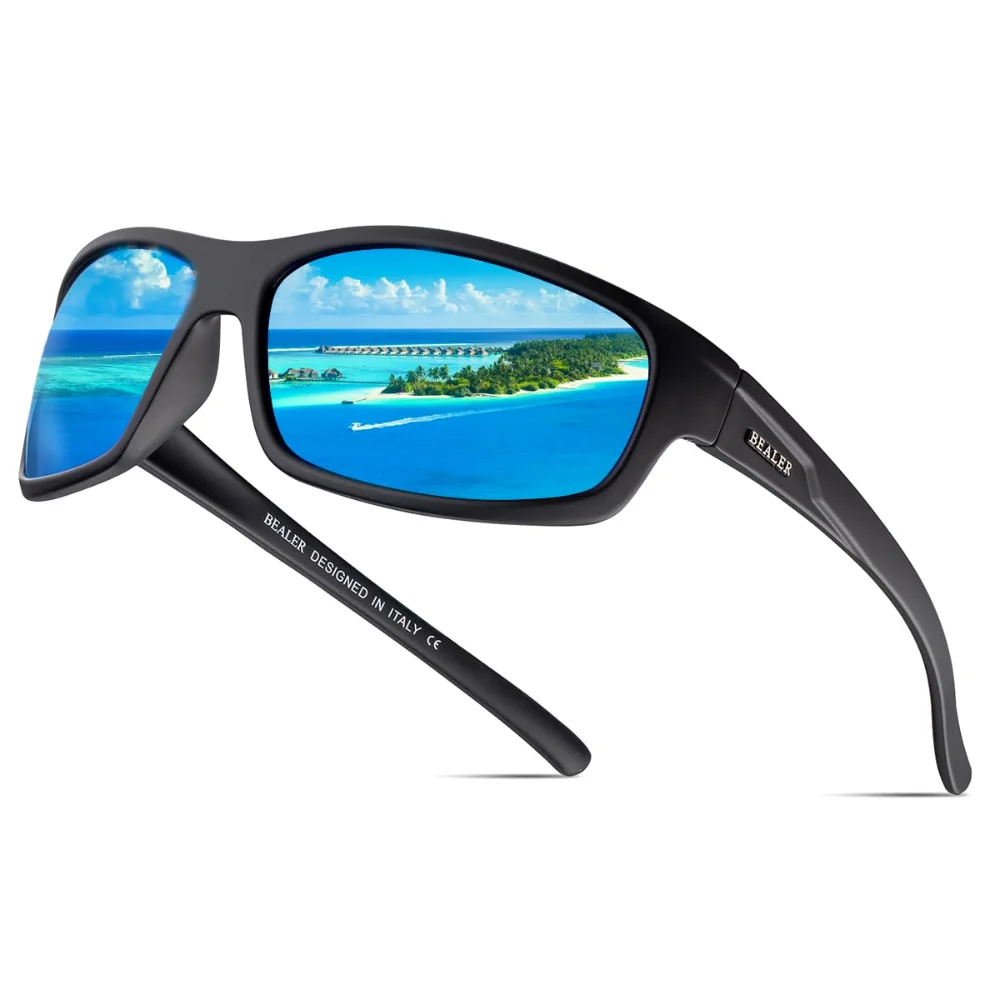
Sport wrap singles
4.5 · 1,226 ratings
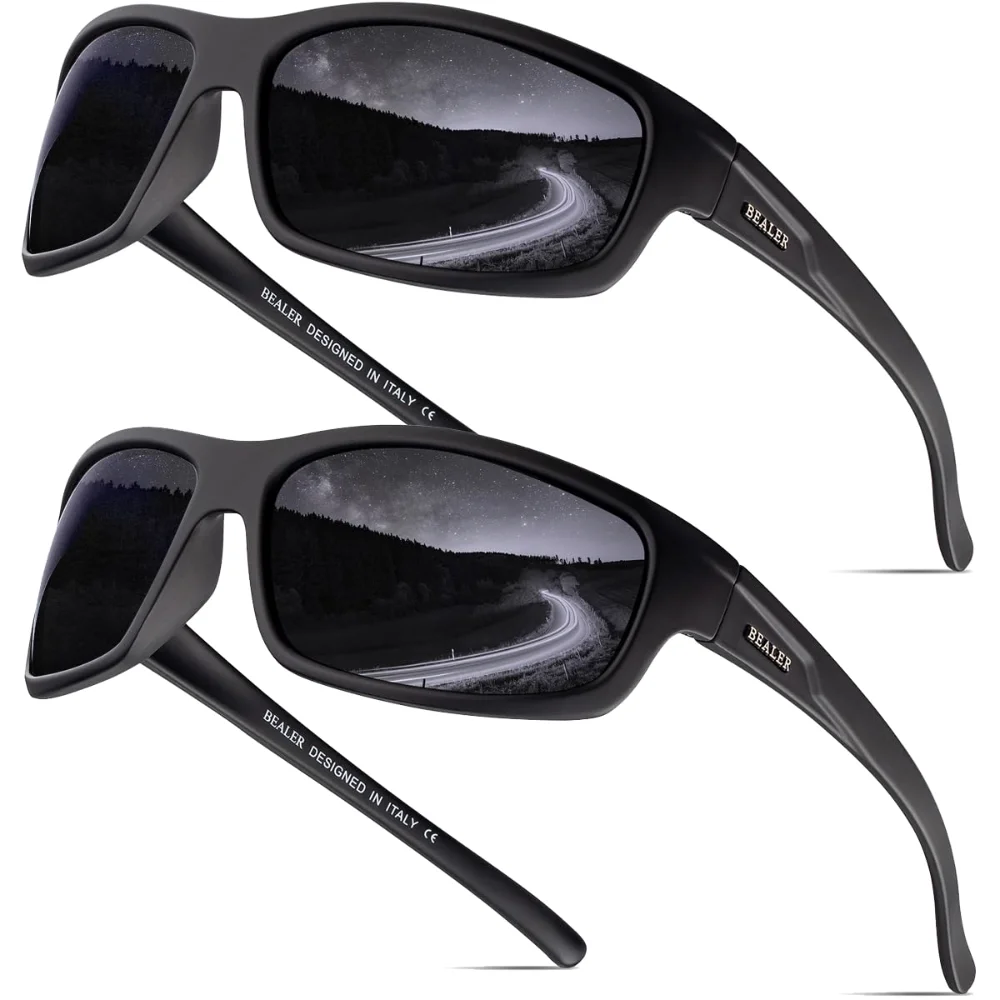
Sport wrap two-packs
4.5 · 1,226 ratings
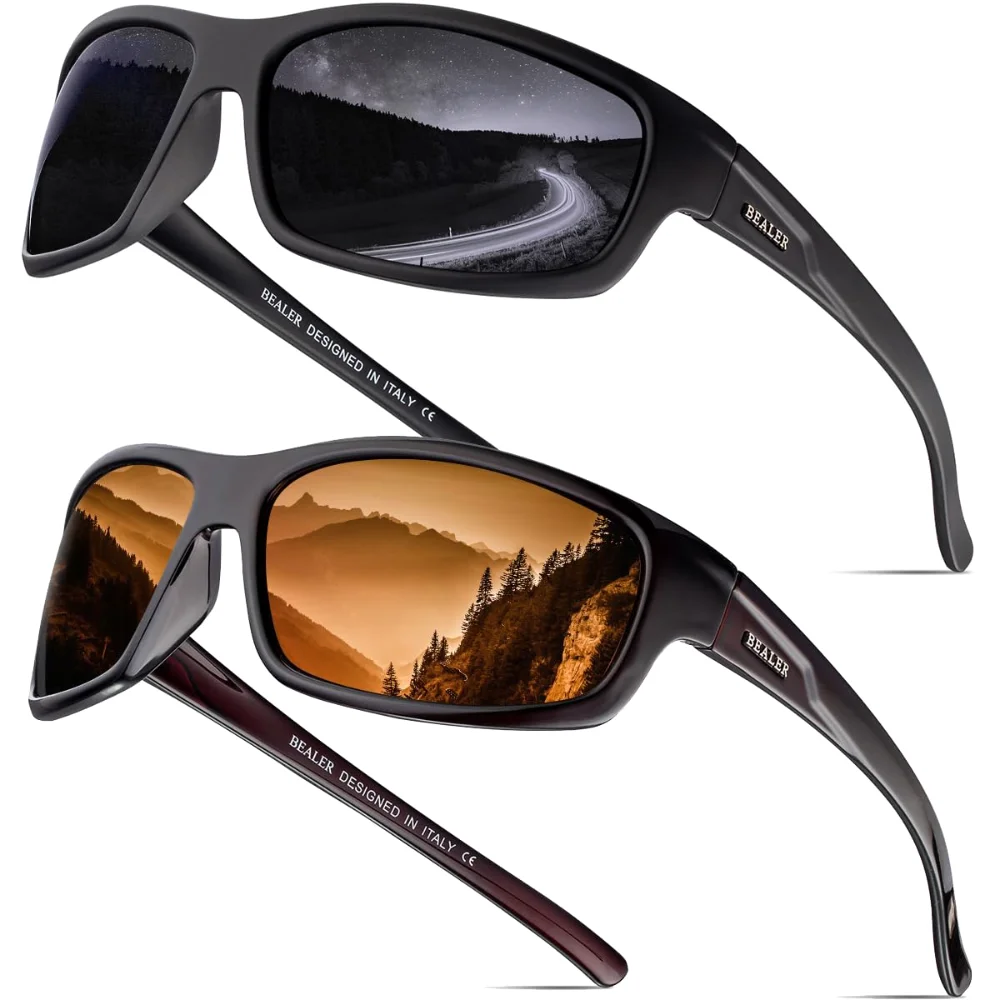
Sport wrap two-packs
4.5 · 1,226 ratings
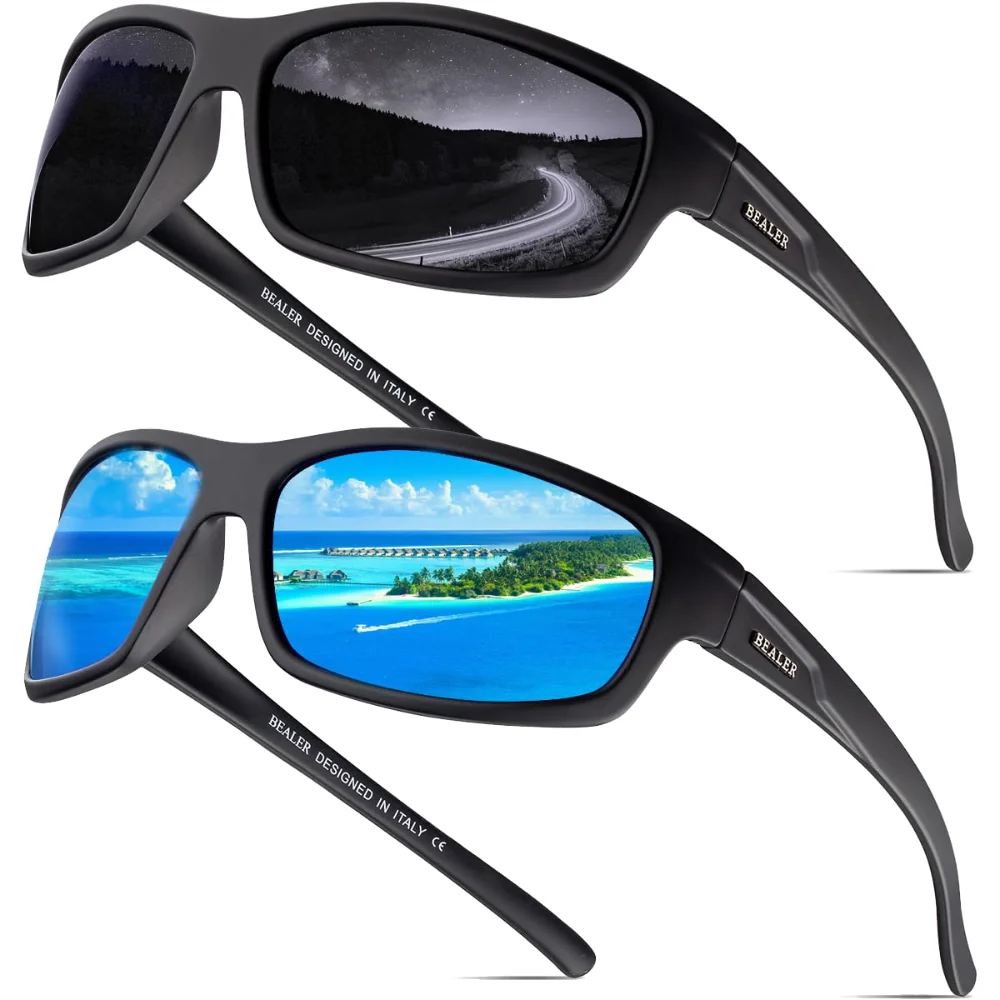
Sport wrap two-packs
4.5 · 1,226 ratings
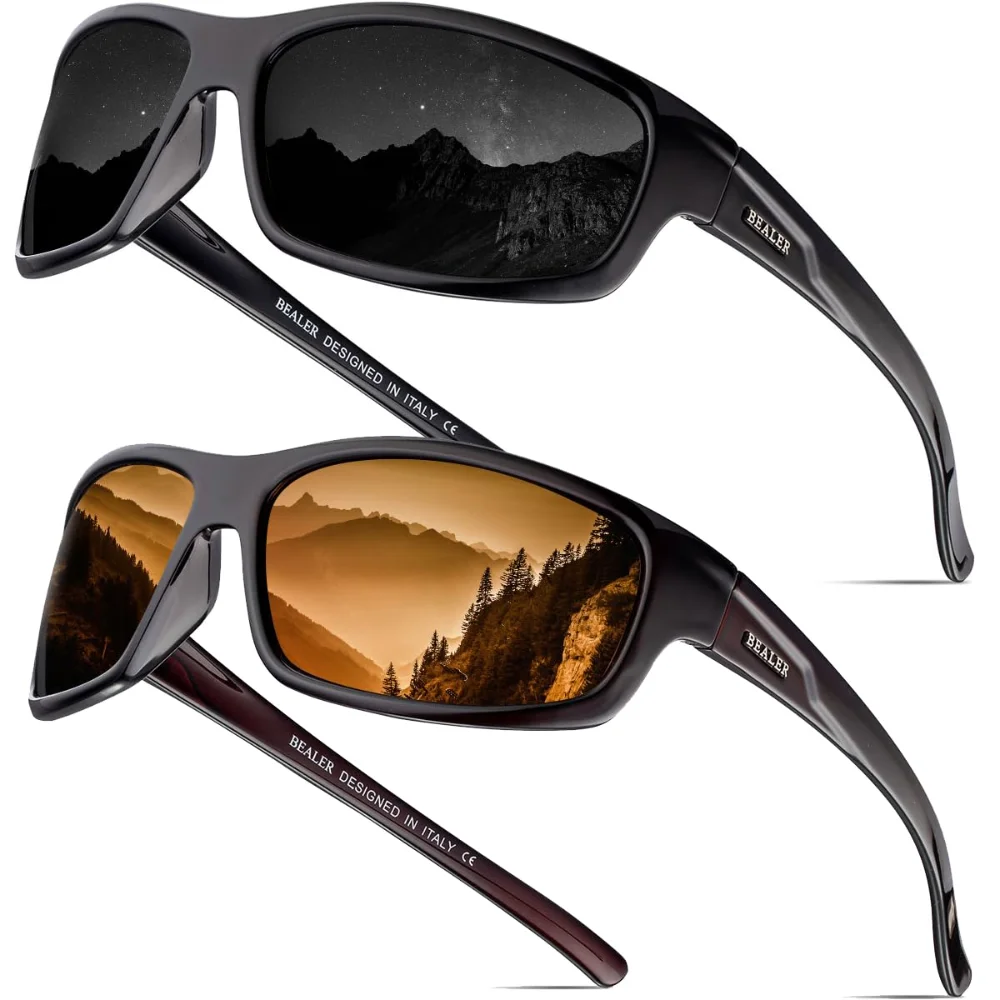
Sport wrap two-packs
4.5 · 1,226 ratings
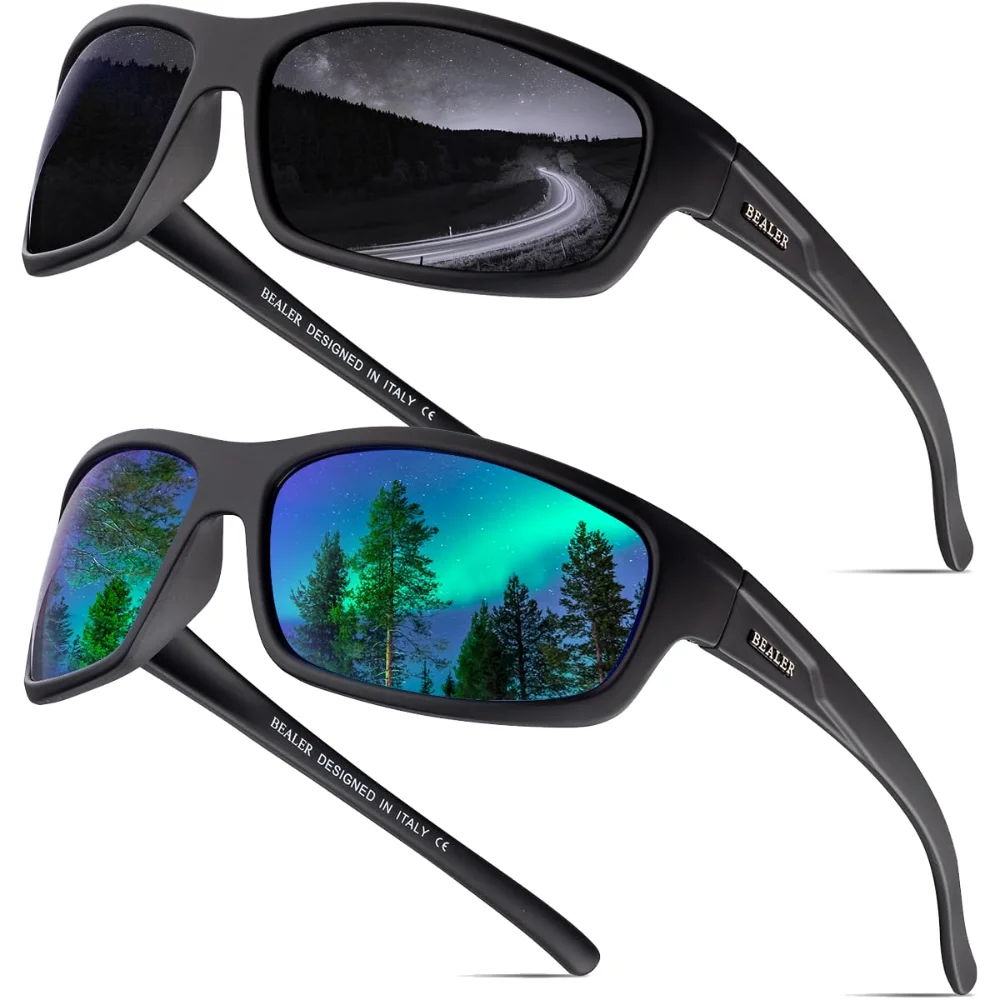
Sport wrap two-packs
4.5 · 1,226 ratings
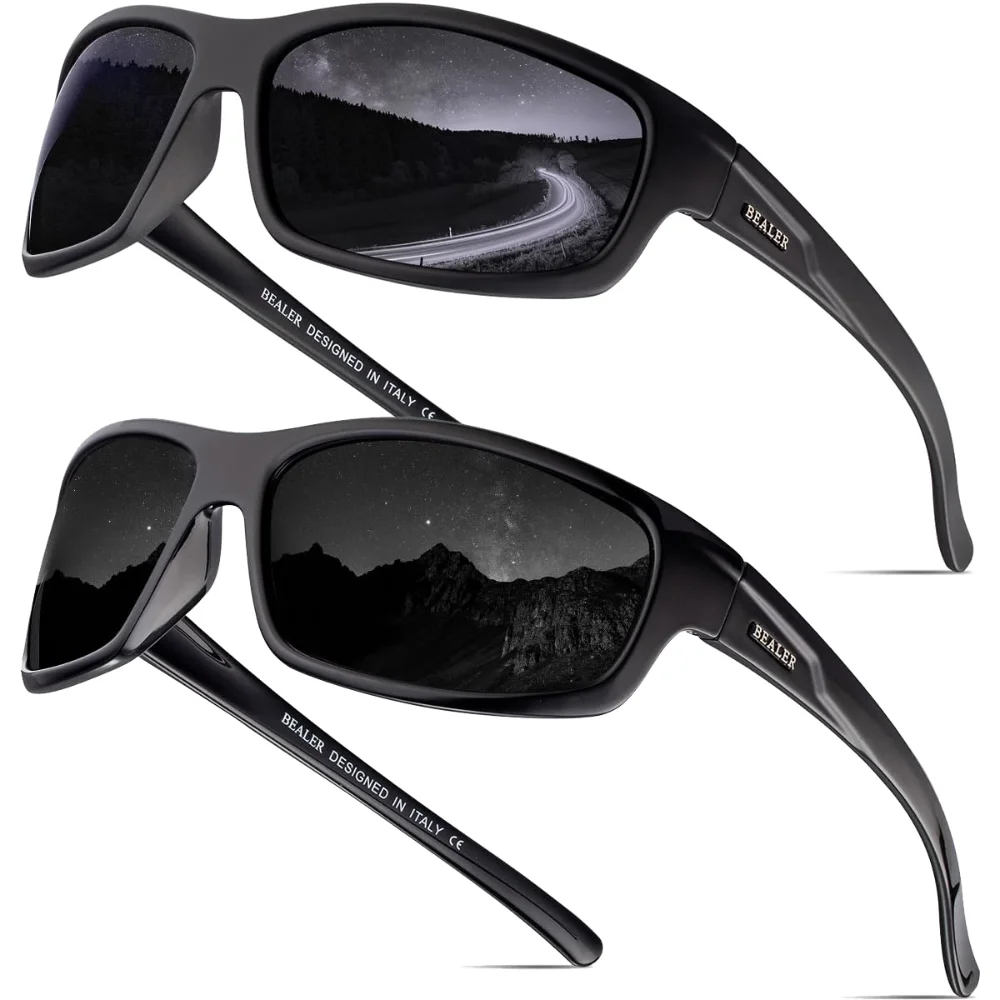
Sport wrap two-packs
4.5 · 1,226 ratings
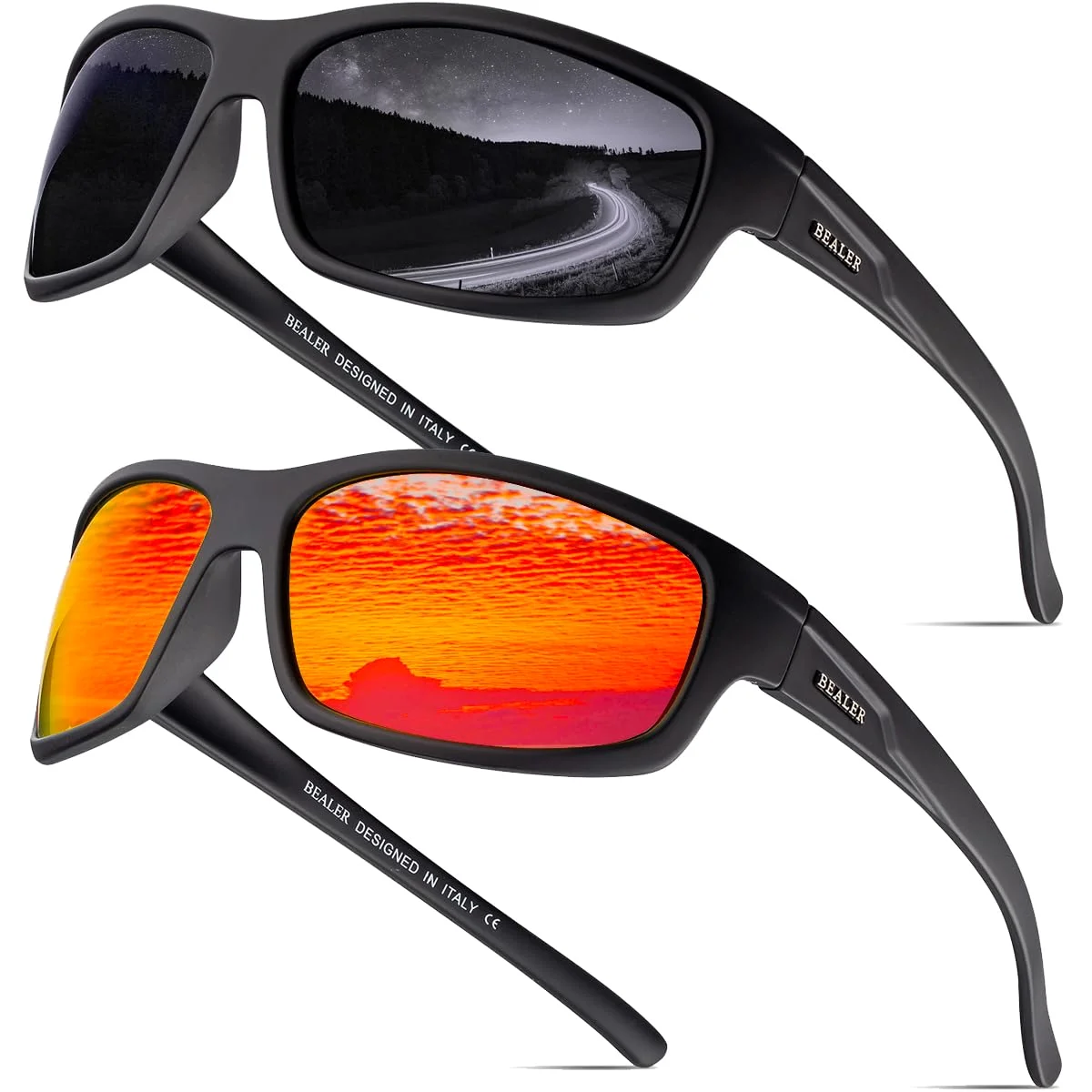
Sport wrap two-packs
4.5 · 1,226 ratings
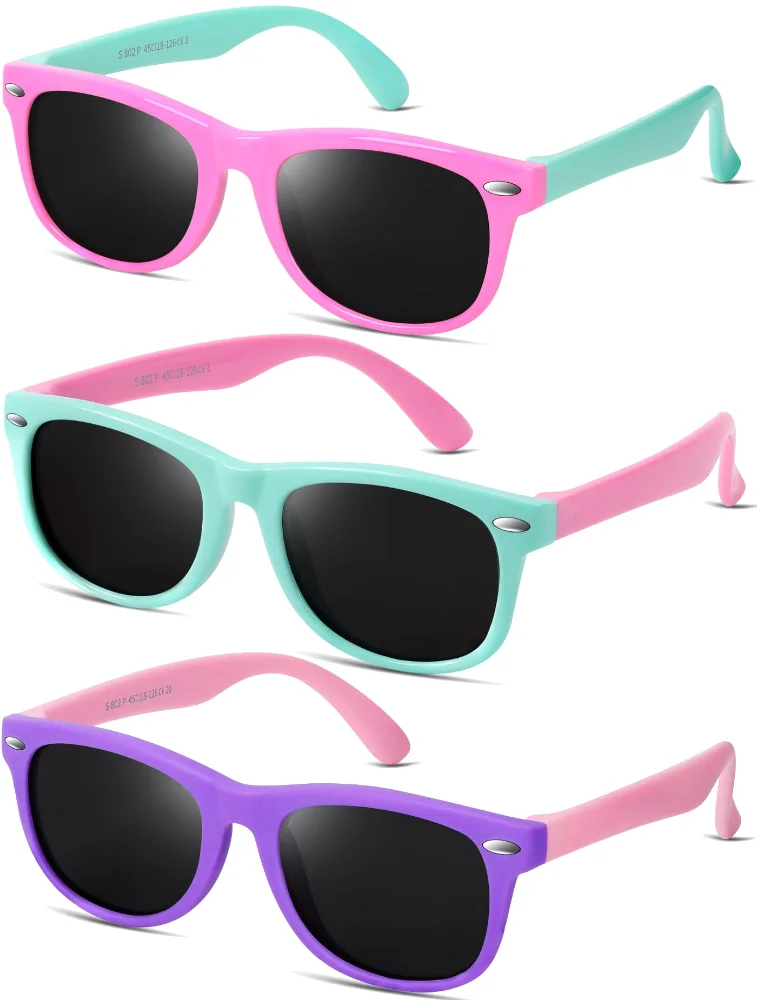
Kids flex three-packs
4.6 · 297 ratings
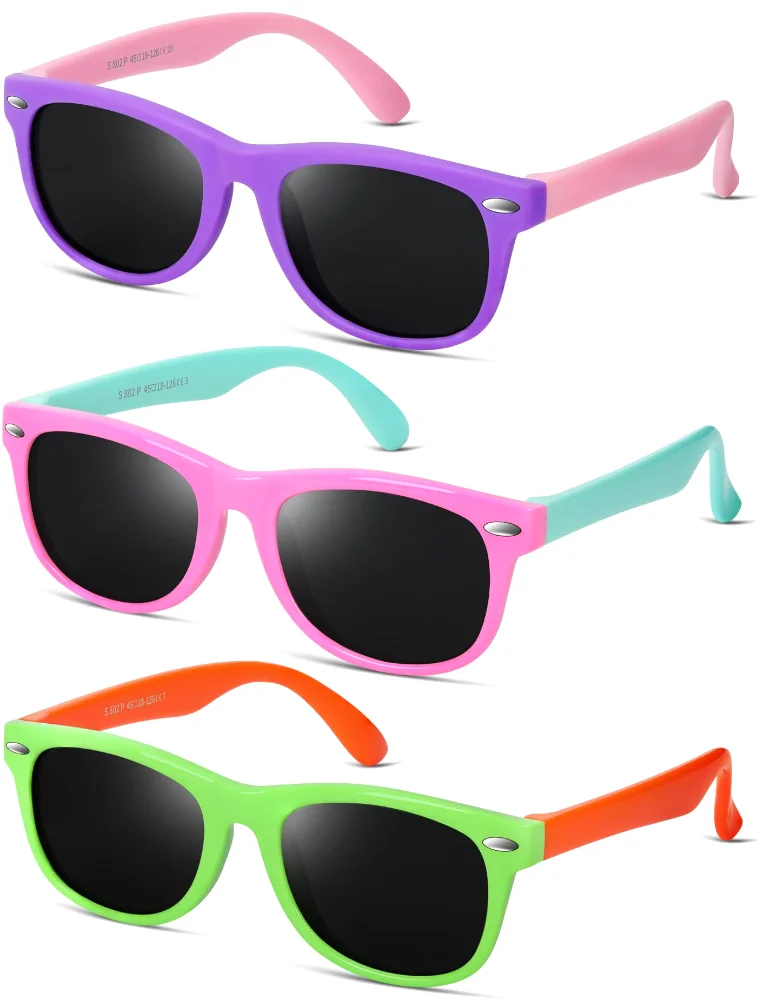
Kids flex three-packs
4.6 · 297 ratings
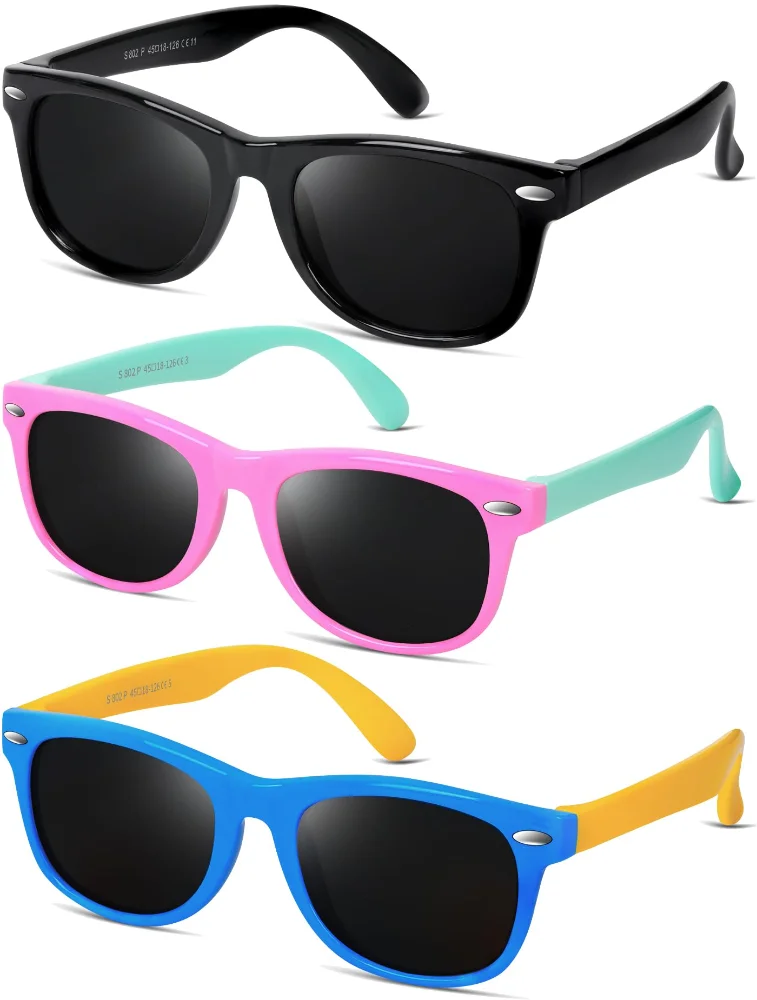
Kids flex three-packs
4.6 · 297 ratings
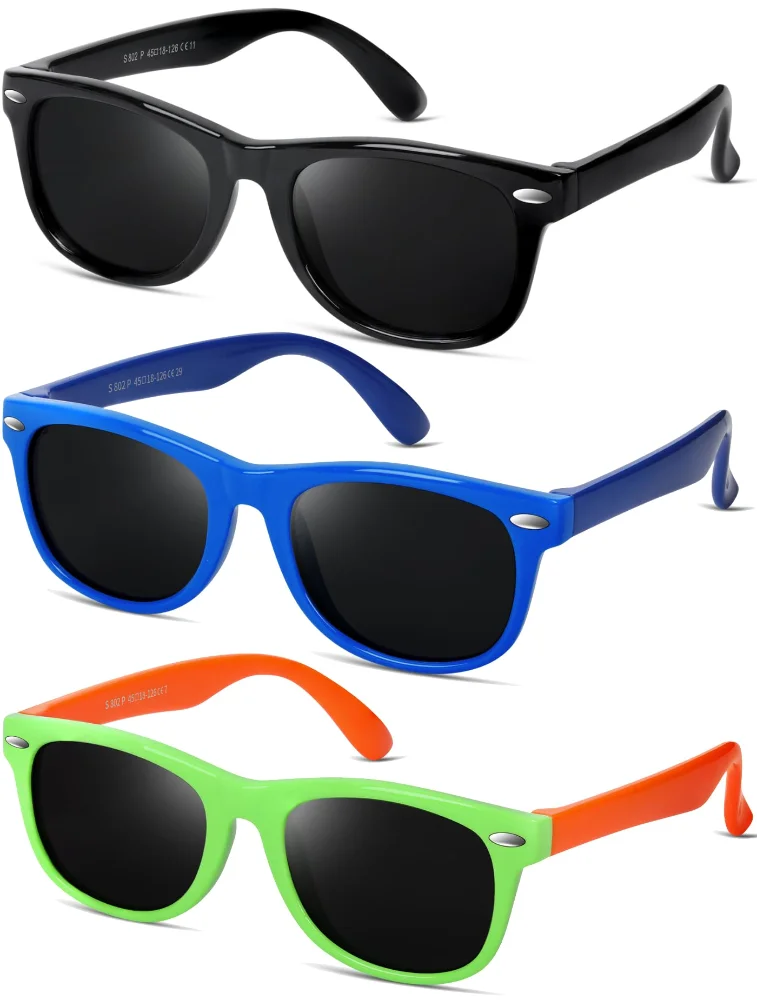
Kids flex three-packs
4.6 · 297 ratings
Kids flex three-packs
4.6 · 297 ratings
Kids flex three-packs
4.6 · 297 ratings
Kids flex three-packs
4.6 · 297 ratings
Kids flex three-packs
4.6 · 297 ratings
Kids flex three-packs
4.6 · 297 ratings
Retro rectangle singles
4.1 · 37 ratings
Retro rectangle singles
4.1 · 37 ratings
Retro rectangle singles
4.1 · 37 ratings
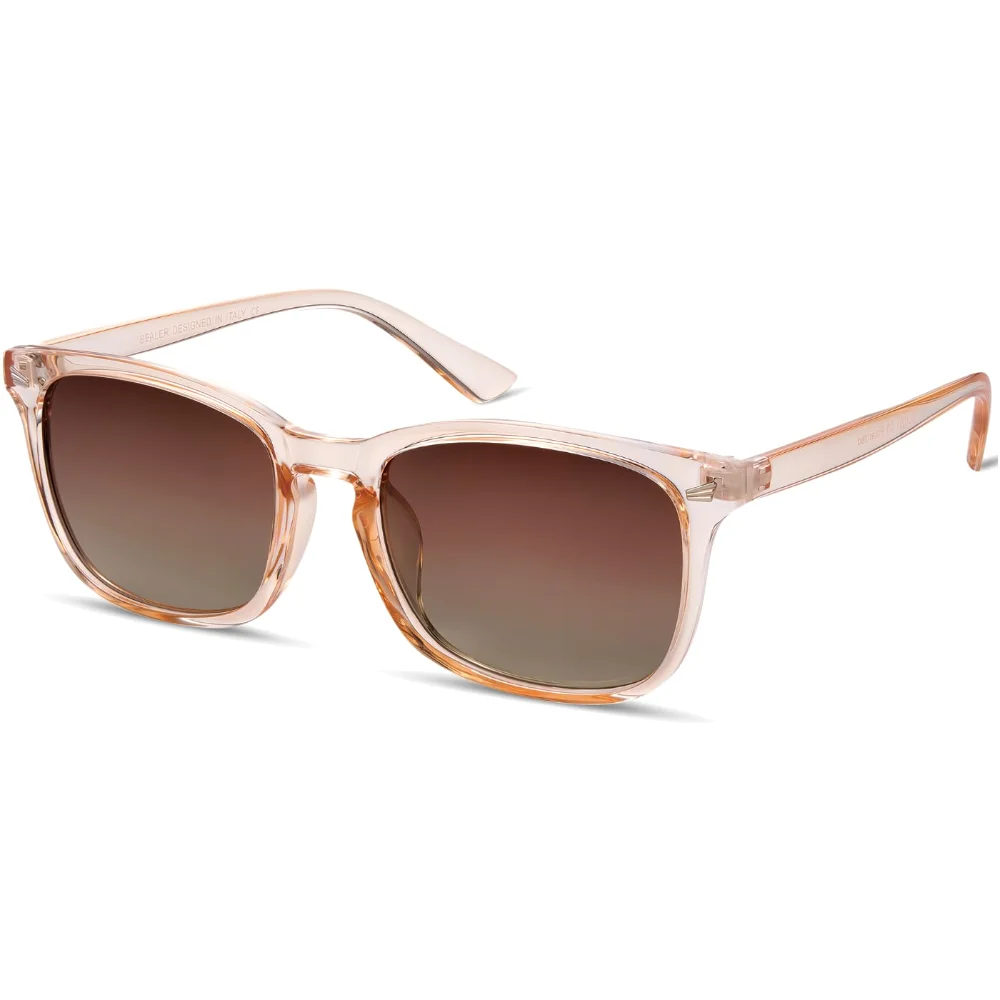
Retro rectangle singles
4.1 · 37 ratings
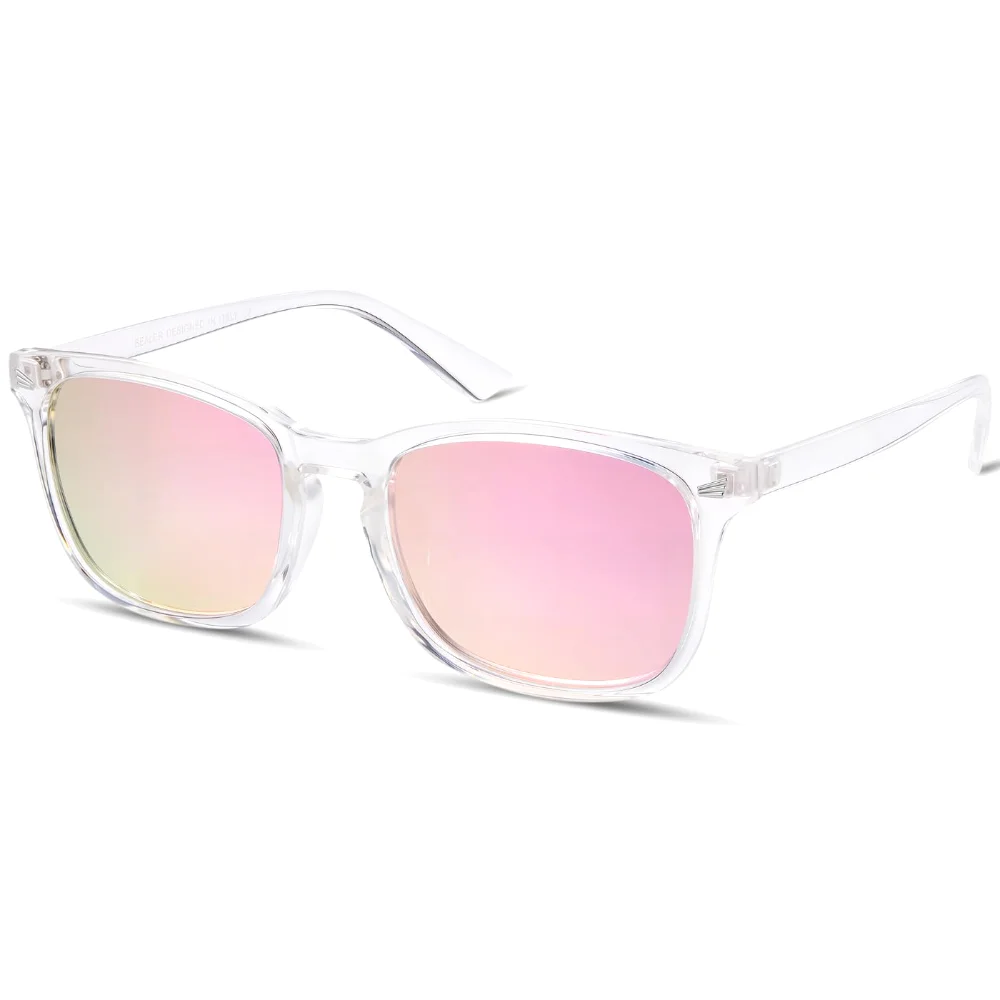
Retro rectangle singles
4.1 · 37 ratings
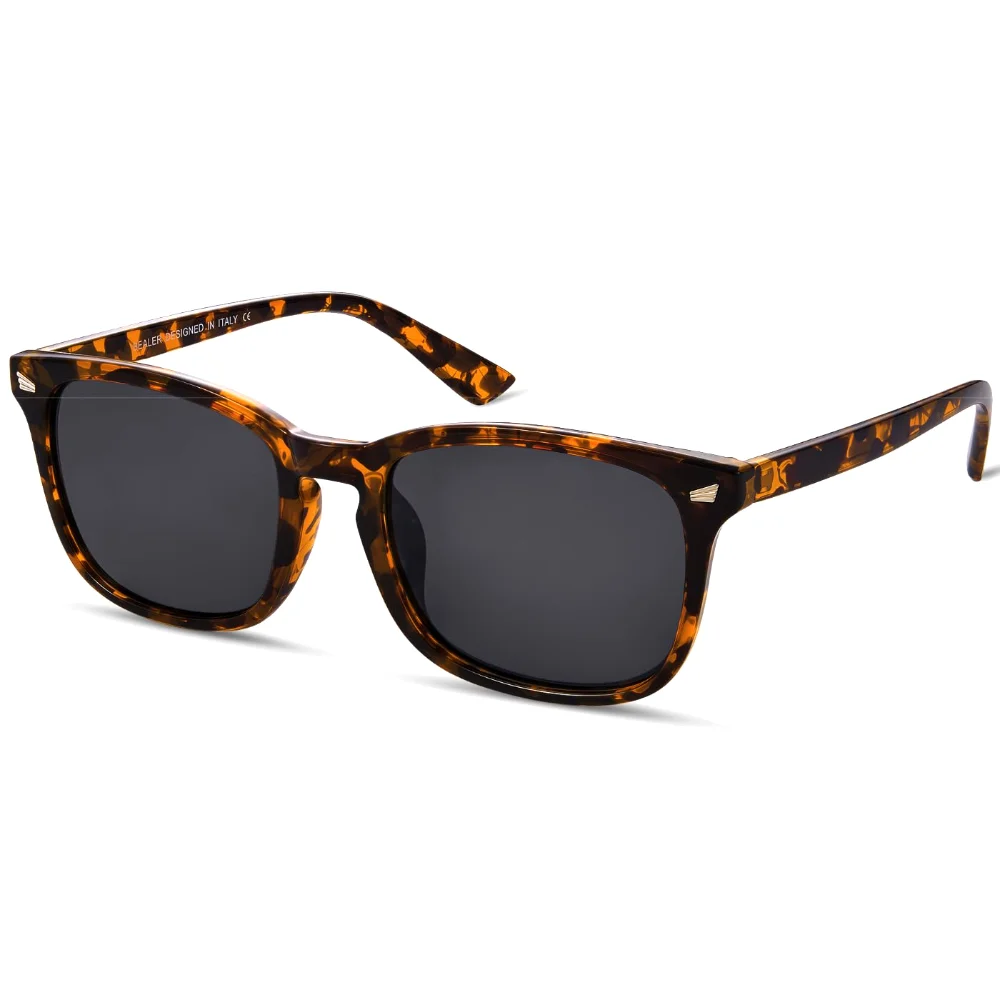
Retro rectangle singles
4.1 · 37 ratings
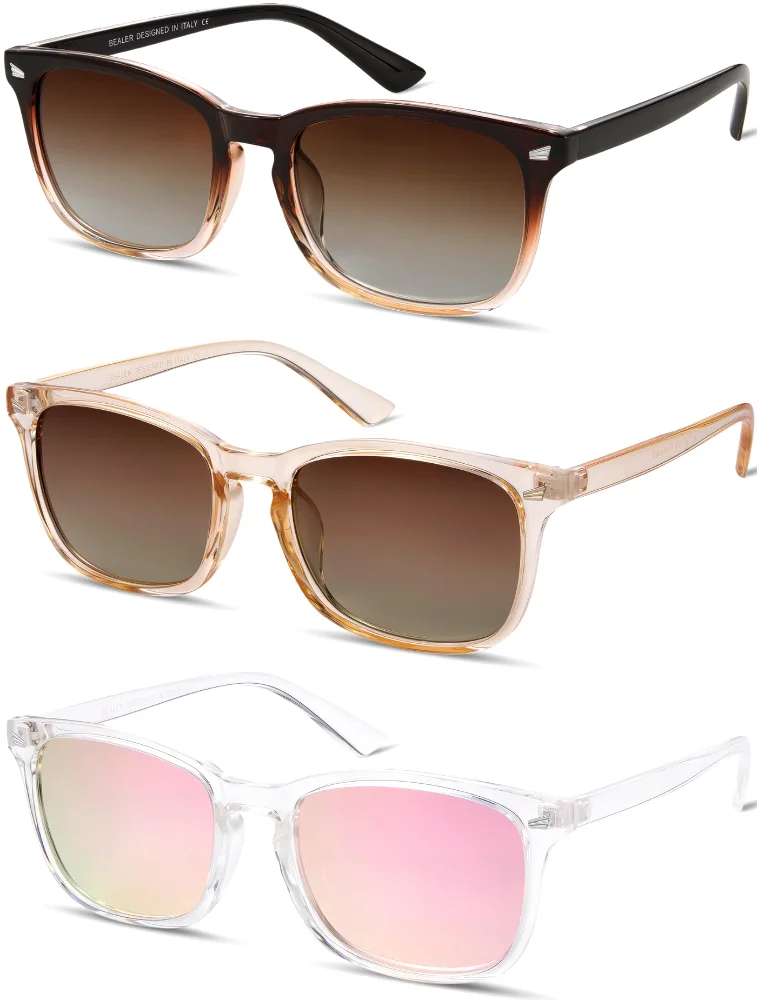
Retro rectangle three-packs
4.1 · 37 ratings
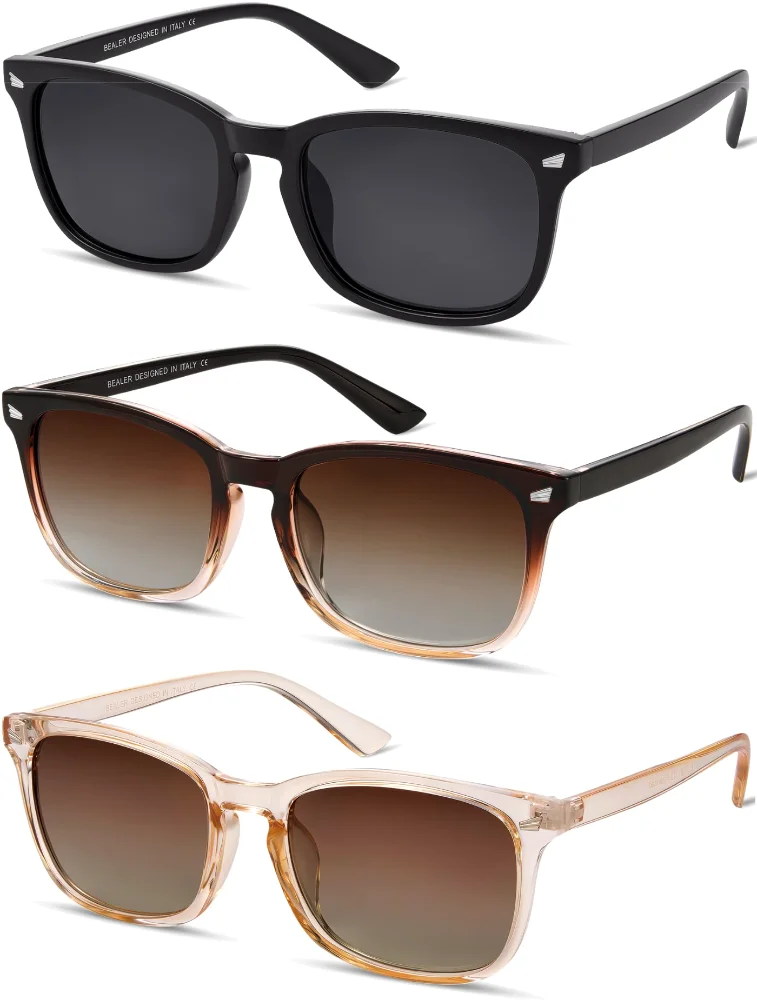
Retro rectangle three-packs
4.1 · 37 ratings
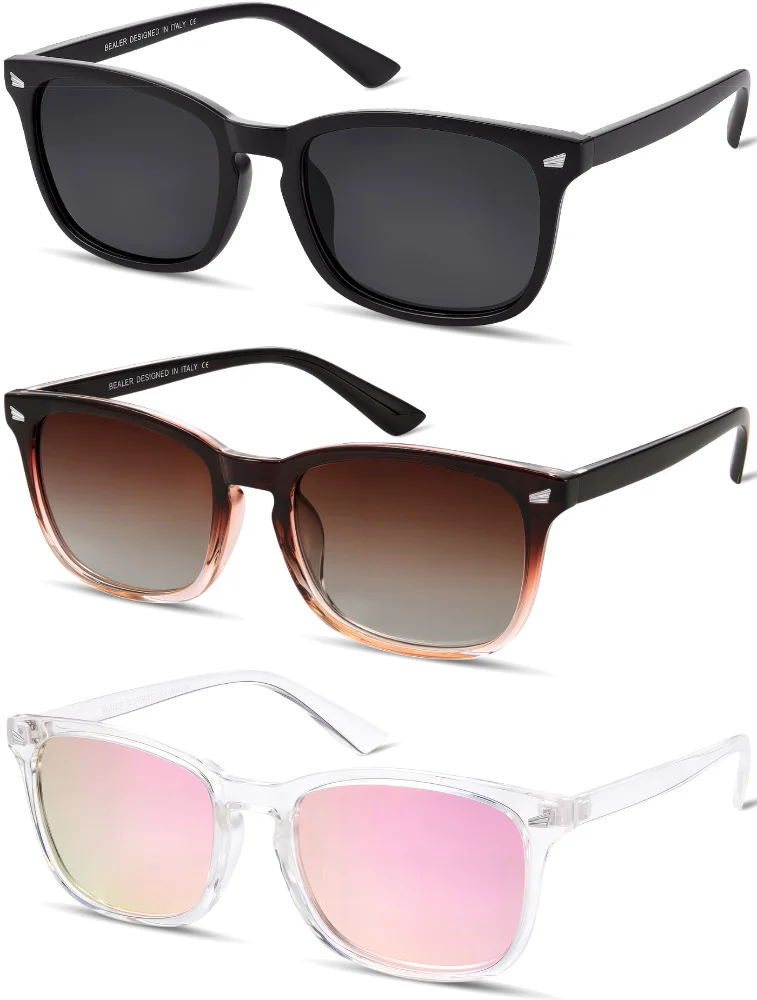
Retro rectangle three-packs
4.1 · 37 ratings
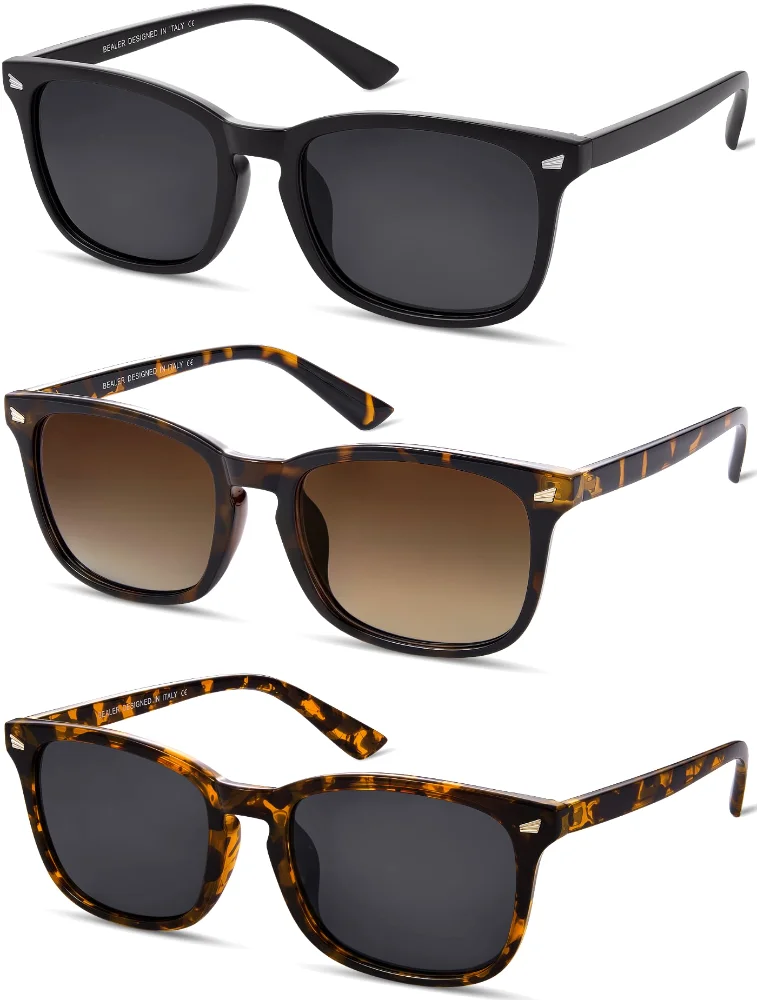
Retro rectangle three-packs
4.1 · 37 ratings
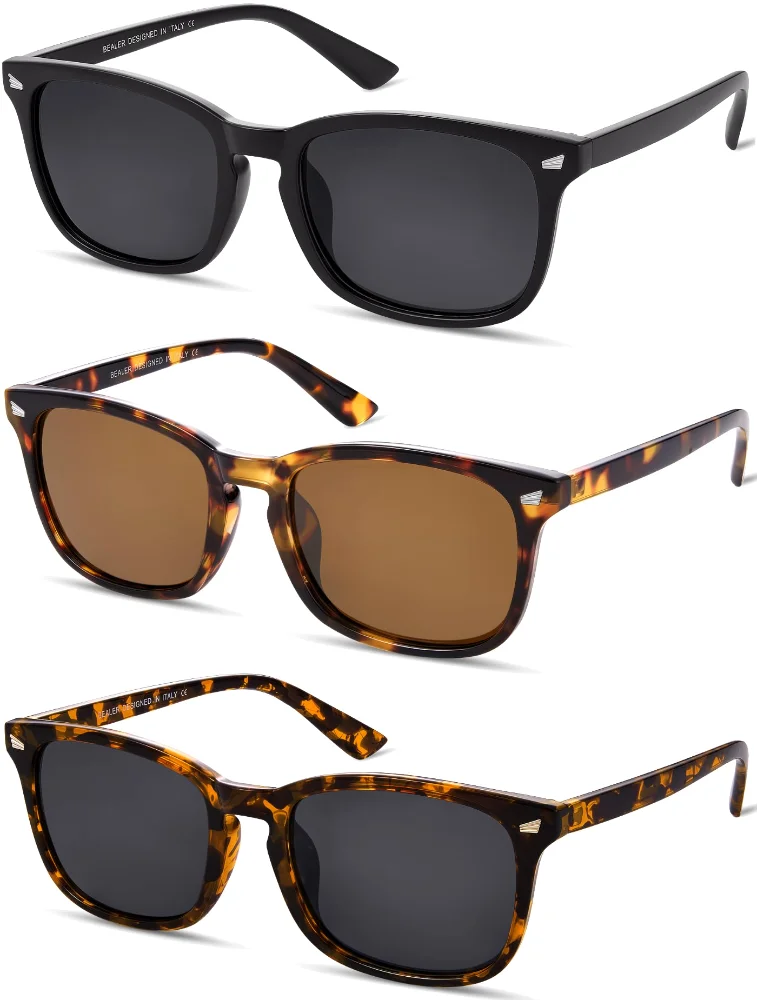
Retro rectangle three-packs
4.1 · 37 ratings
02Next to it on the shelf
sunglasses for men, sunglasses for women, kids sunglasses: the neighbouring answers, each with its own frames and prices.
03Asked before ordering
What people ask us about polarized sunglasses before they pick a pair.
Hold it in front of a phone screen and turn the lens ninety degrees: at one angle the screen goes dark, because a screen emits polarized light too. One reviewer mentions the test card in the box that only shows its pattern through the lens; the phone does the same job for free.
The grey lens in whichever frame fits your face. Grey takes brightness down without changing colours, so it is right for driving, and every other tint here is a variation on it: mirror coats over grey for water, brown and orange for flat light. Read the frame width off a pair you own, 137 for the wrap or 139 for the rectangle, and start there.
Twice, according to the ophthalmologists: at night, when you want every bit of light and the film takes some away, and when you need to read an LCD screen at an odd angle, because a dashboard or a cash machine can go dark through the film. On a ski slope the same effect can hide the shine on ice. Everywhere else it is the point of the lens.
One button, the whole BEALER range
Every lens colour, frame size and pack count in the BEALER catalogue sits behind this button, with the price from our last update beside it. Read the millimetres off a pair you already own, check them against the card, and the order goes through our retail partner.